






One of the basic Asian stocks is dashi and it's incredibly simple to make. If you have some on hand, you'll soon know that a littledashi goes a long way toward giving dishes savory depth and a slight smokiness. It is one of the stealth ingredients in Japanese cooking and can be made days in advance. Korean cuisine uses a similar stock too and I often used Japanese dashi for Korean dishes. My 92-year-old mom occasionally uses dashi for Vietnamese soups!
Dashi has water and two (2) main ingredients - dried kelp (kombu) and shaved bonito flakes (katsuobushi). Those are two Japanese pantry ingredients that all good cooks should maintain. Aside from those foodstuffs, you'll just need water, which is technically an ingredient but also not normally counted as one.
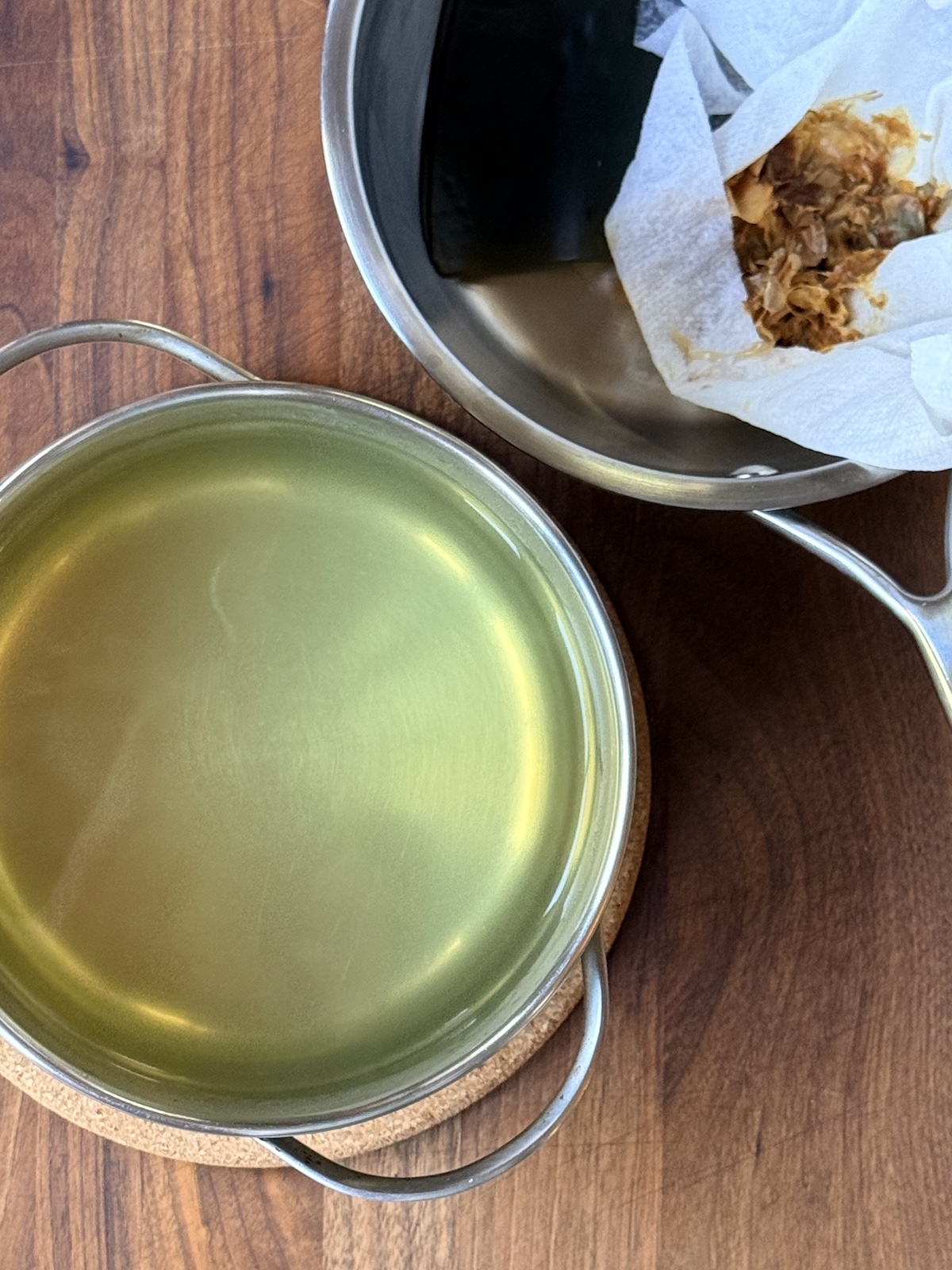
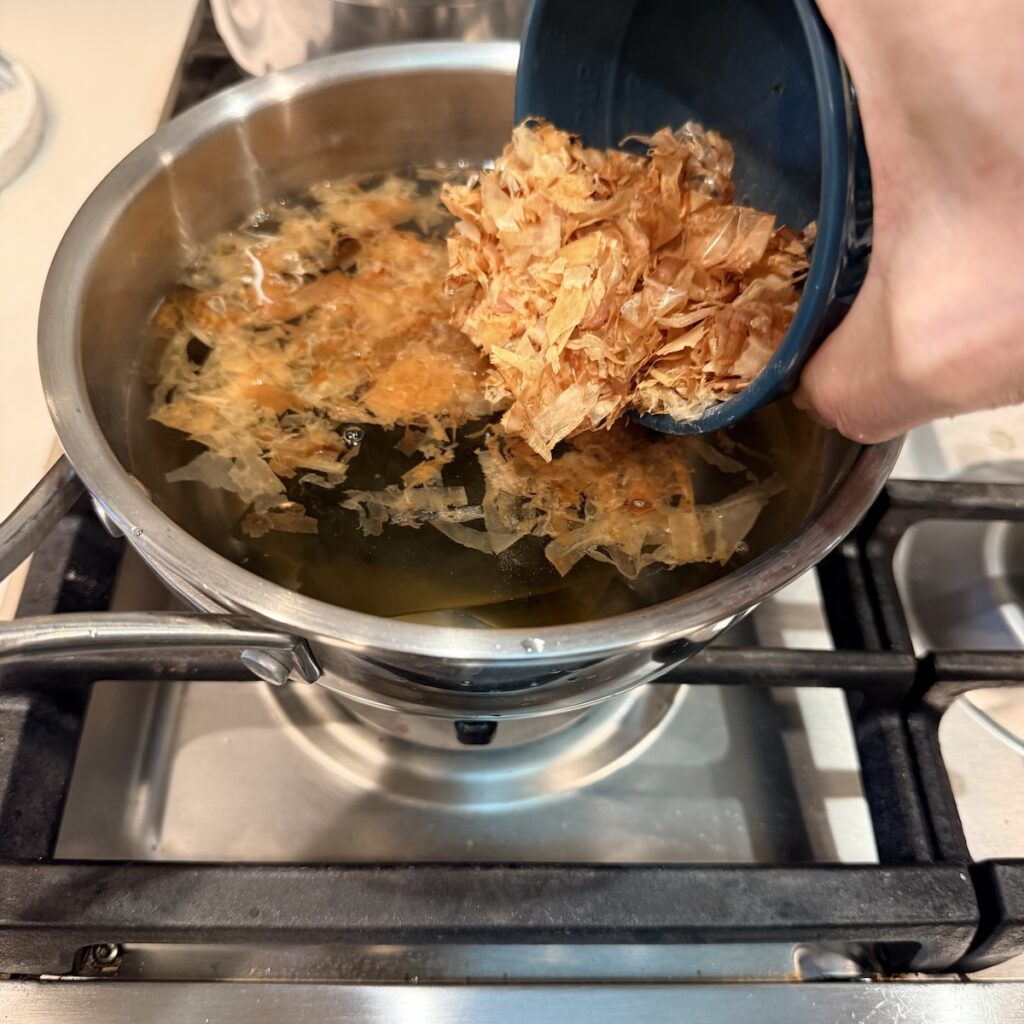
When making dashi, know that most of the cooking involved is passive. You don't have to do anything but let the kombu (dried kelp) soak in water. The actual active cooking takes about 10 minutes. What you'll do is heat the stock up and add the katsuobushi (dried bonito flakes). The result is a nuanced, naturally umami-laden dashi that will make dishes taste excellent. Your miso soup, tempura, noodles, rice, and salads will benefit. Make a batch of this dashi to keep it in the fridge and it'll repay you many times over during the week. When you want to zhug up a dish, consider dashi!
Homemade dashi vs instant dashi powder and dashi granules
Many recipes online and elsewhere call for dashi no moto -- instant dashi powder and dashi granules. That's like asking you to use chicken stock powder instead of homemade chicken stock or canned chicken broth. Sure, I've called for instant dashi in recipes like this grilled eggplant to get people to make it. But I know the dish tastes better with homemade dashi.
Instant dashi is unfortunately one dimensional tasting. It lacks the layered depth and body that soaking kombu imparts. Plus, bonito flakes's charming smokiness does not come through well in the instant powder or granules. Any time I use instant dashi powder or granules, I go back to making dashi from scratch. My food and my family thank me for it! So skip the granules. With kombu, bonito flakes, and water, you can make rich, umami-packed dashi that's surprisingly easy-and transforms soups, sauces, noodles, and more.
Kombu (dried kelp) and katsuobushi (bonito flakes) buying guide
Buy kombu and katsuobushi at Chinese, Japanese, and Korean markets or online. Here are my sourcing tips:
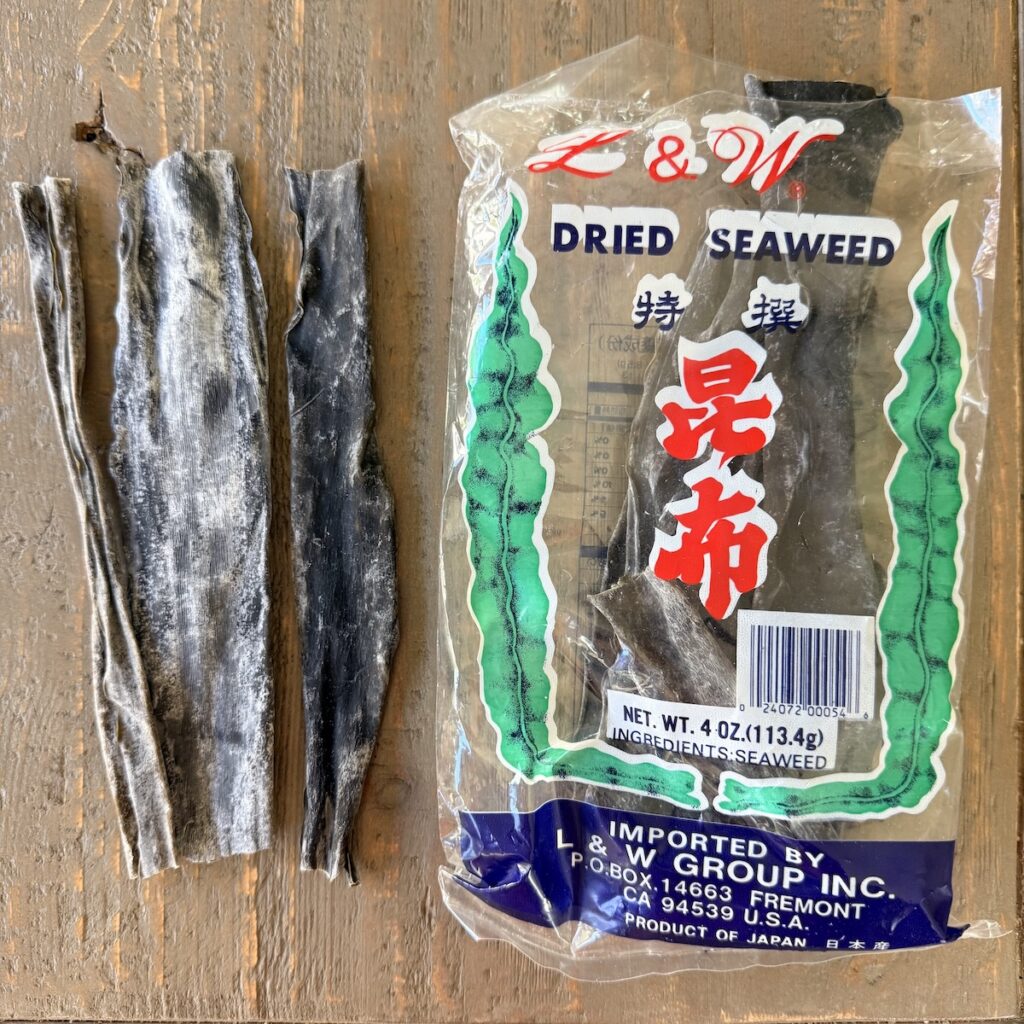
- Kombu (dried kelp) comes in different qualities but unless you are a connoisseur of Japanese ingredients, there is no need to hunt down the high-end stuff. I use dashi kombu, a well-priced all-purpose type of dried kelp. It is lower in naturally occurring glutamates than other varieties of kombu but it will impart good flavor. If there's a white powder on it, all the better. That's extra glutamates for bonus flavor!For affordable and good dashi kombu, I get WEL-PAC brand; it comes from Korea. Japanese kombu (below, from a Mitsuwa) is a little pricey and worth exploring.
- How to store and use kombu: After opening the package, store it in a zip-top plastic bag in the cupboard. When measuring kombu for recipes, I use square inches. If the kombu looks small, it never hurts to use a little more.
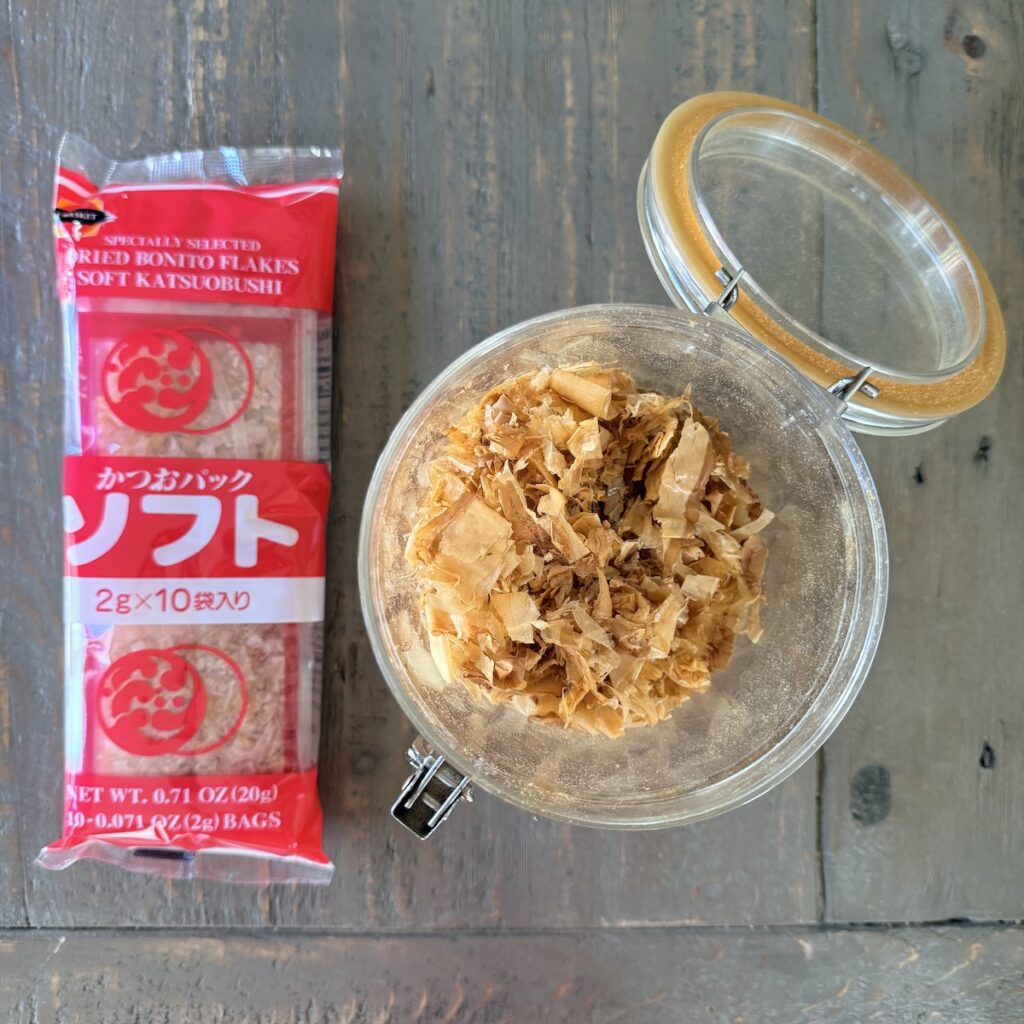
- Dried bonito flakes (katsuobushi or katsuo-bushi) is a staple of Japanese kitchens. The thin shavings of dried bonito lend a signature smoky edge to dashi stock. They are also a go-to garnish for dishes like Japanese chilled tofu, fried tofu, and chilled spinach ohitasthi. Put katsuobushi atop hot food and they'll wave to say "hello". Although you can spend a fortune for premium katsuobushistart out with the flakes available in small plastic envelopes sold four or six to a package. All you need for a batch of dashi is a five-gram packet (half a lightly packed cup). When you're ready, buy a bigger bag of it and store in an airtight container. Look for the flakes at Chinese, Japanese, Korean, and health food markets.
- How to store and use katsuobushi: Store it the cupboard where it lasts for a long time! When using, measure by the package or use a scale. The flakes vary in size so individual packs are usually very compact.
Choose water wisely
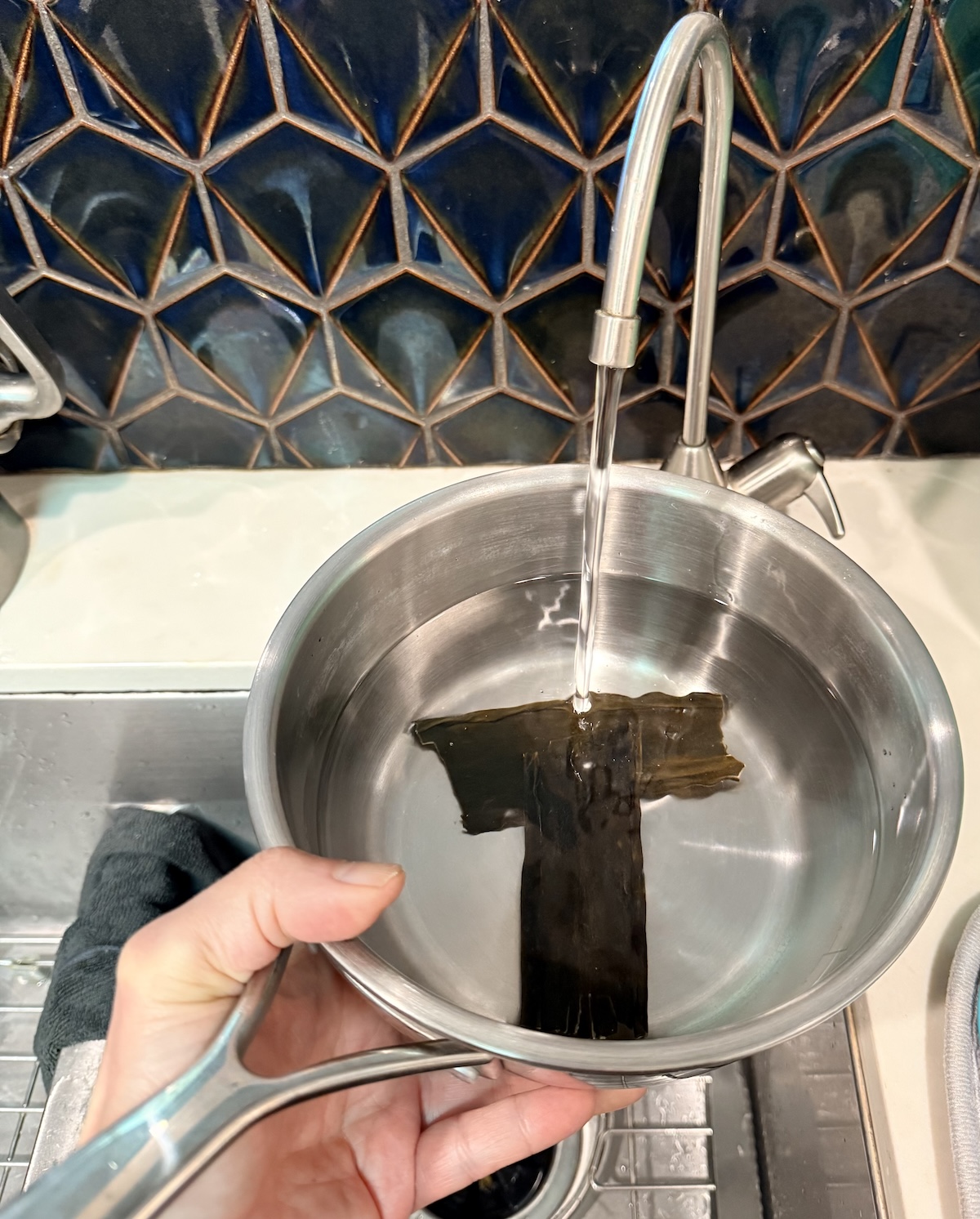
Just like for making soy milk and tofu, use good water for the best, most delicate results. Soak the kombu in water you like to drink or use for making ice cubes! I have a reverse osmosis filter system and use that. Dashi is mostly water so make sure you start with tasty water!
What to use homemade dashi for?
Aside from miso soup, many things benefit from dashi. Here are a few ideas from this website and my newsletter. They are either Japanese, Japanese inspired or just plain good cooking! If I use instant dashi in a recipe, know you can simply replace the instant dashi and water with an equal amount of dashi stock.
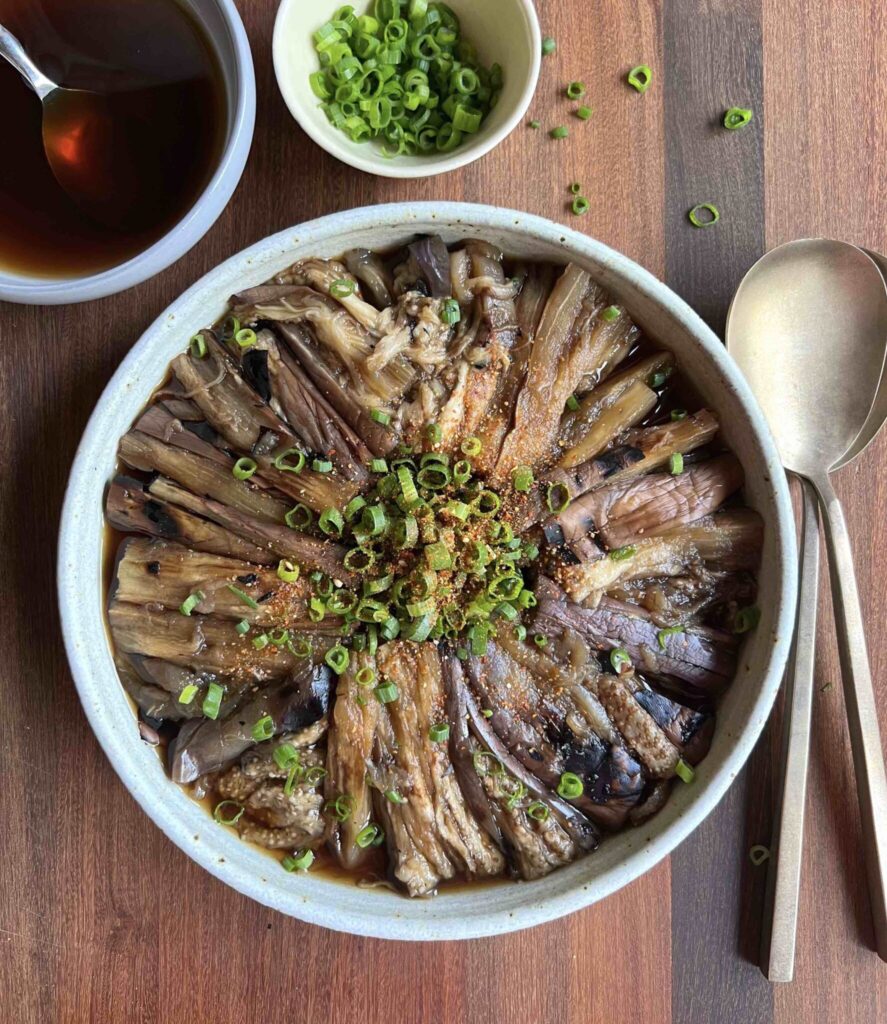
- Dashi soaked eggplant
- Dashi carnitas
- Japanese chestnut rice (Kuri Gohan; frozen peeled chestnuts are sold at many Chinese markets so make this easy, special tasting rice year-round)
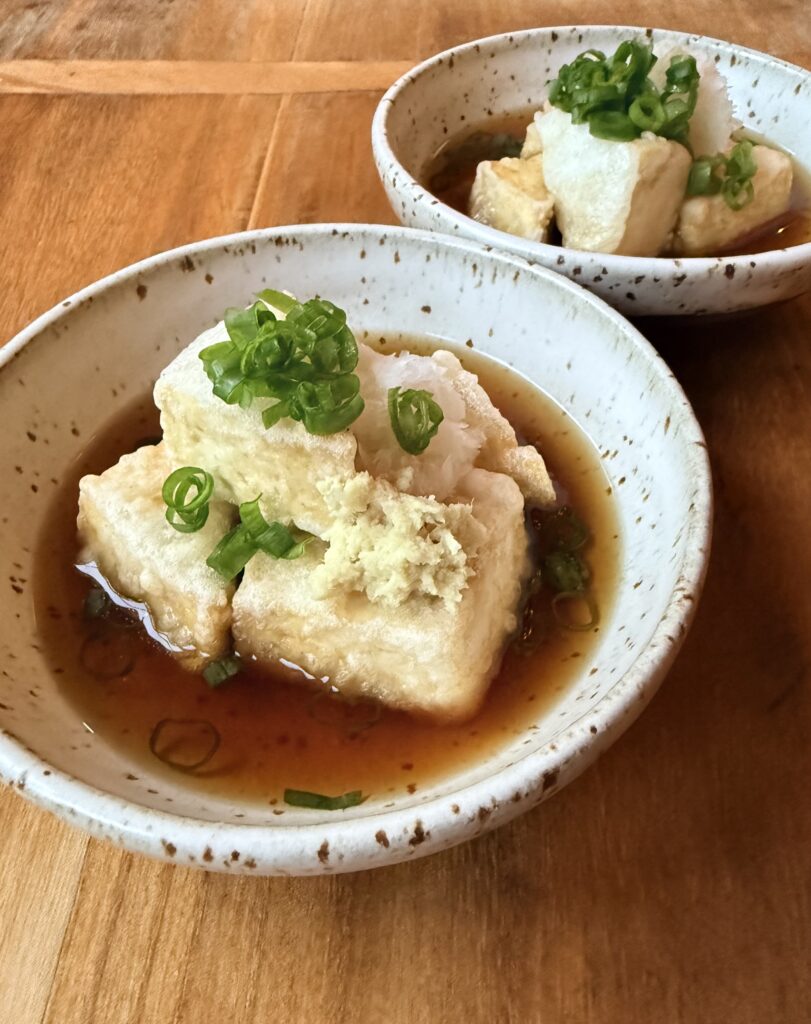
- Japanese crispy tofu in dashi sauce (Agedashi Tofu) -- done air-fried or deep-fried
- Creamy tofu seafood chowder
How to repurpose kombu from making dashi
Don't throw away that kelp when you finish making dashi stock. Follow the lead of frugal Japanese cooks and stockpile the kelp in the refrigerator or freezer, where you can keep it for several days or months, respectively. Add some to a pot of beans to mitigate flatulence, create a thick bean liquor, and add umami.
Vegan dashi variation
Soak the kombu with ½ to 1 ounce (15 to 30g) of dried shiitake mushroom in 5 cups (1.2L) of water. Do an overnight soak to ensure good flavor. Bring to boil and remove the kombu. Let cool for 15 to 30 minutes before straining. Save the rehydrated mushrooms and kombu for other dishes. If you like, add 1 cup (240ml) of coarsely chopped woody asparagus ends, carrot peels, daikon peels, or sad leaves of napa cabbage to the pot as it heats up; you'll infuse the vegan dashi with extra flavor.
Dashi Stock
Ingredients
- About 20 sq inches | 30 sq cm kombu (dried kelp)
- 4 ½ cups | good 1L water filtered or spring water preferred
- ½ cup lightly packed 5 grams katsuobushi (dried bonito flakes)
Instructions
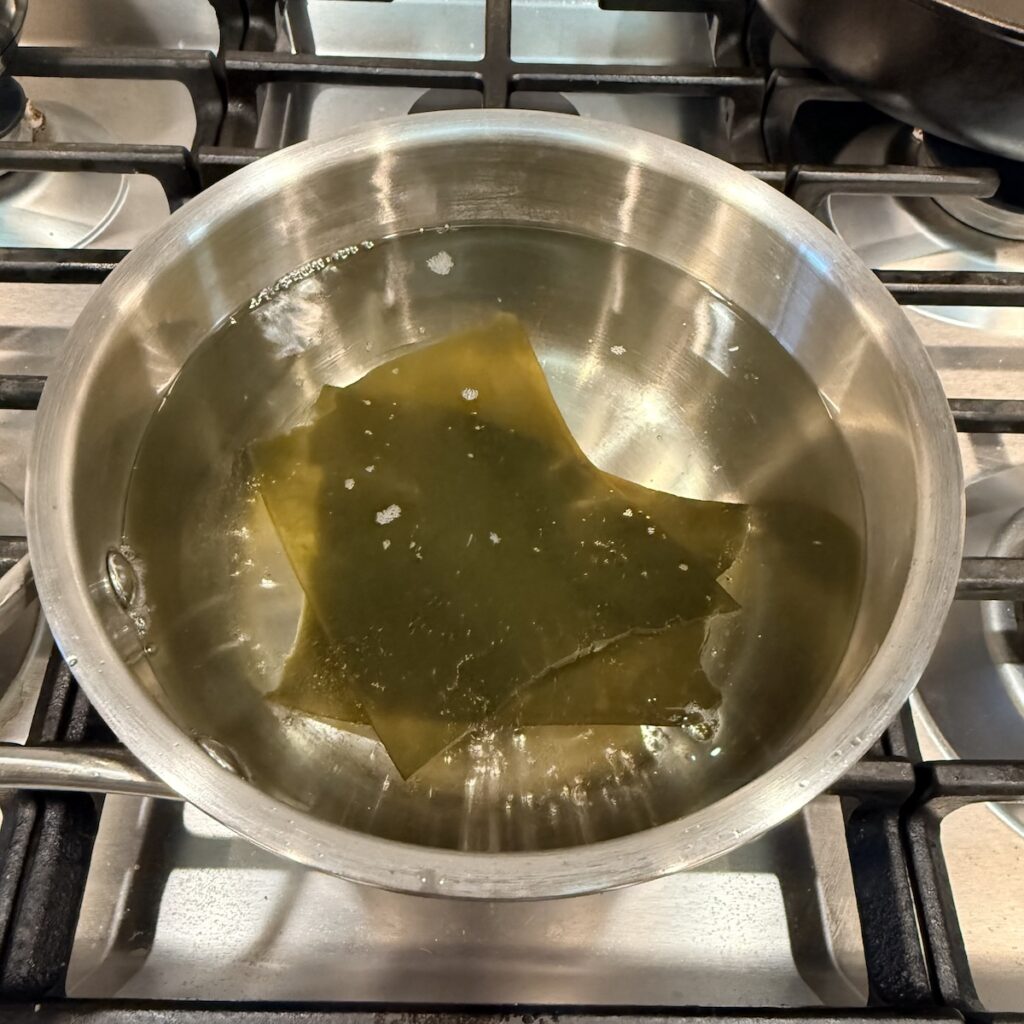
- Soak the kombu: If there is a chalky film on the kelp, resist wiping or washing it off as it contains natural glutamates. Put the kombu and water in a saucepan and set aside for 15 to 20 minutes to extract flavor from the seaweed. For greater depth, soak for a few hours or cover and refrigerate overnight.
- Make the dashi: Heat over medium heat until small bubbles break at the surface and have formed at the sides of the saucepan; some white foam floating on the surface is okay. Remove the saucepan from the heat and scatter in the katsuo-bushi. The flakes will float at the top and then start sinking to the bottom of the saucepan. After waiting 3 to 4 minutes (it is okay if the bonito flakes are still floating on top; don't wait too long or the stock can become overly fishy), remove the kelp and reserve for other purposes. Line a mesh strainer with a coffee filter, paper towel, or muslin, then strain the stock.
- The stock is ready to use, or you can refrigerate if in an airtight container for up to 5 days. Sediment gathering at the bottom of the storage container is not a sign of spoilage.

Susan Marquis says
I do love dashi. Easy to make and far better than the instant - although I sometimes forget this! Question: does dashi freeze, just as I freeze stocks?
Andrea Nguyen says
Susan -- Such a good question and a perfect way to make it for small additions to recipes. It should freeze very well.