






Eggs are a perfect food in many ways and given that good ones are pricey these days, you do not want to botch cooking eggs - something that I've done many times during my cooking career. Of all the ways to cook an egg, boiling eggs is what I struggle with most. It's so simple, as only two ingredients and a pan are involved. You can cook the eggs to different levels of doneness and do so much with them, but messing up the cooking can lead to deep disappointment.
Boiling an egg is tricky. It's a hit-and-miss thing for me and issues I've considered over the years include:
- Should the egg be at room temperature or cold?
- How to ensure the egg is easy to peel? Should you boil only aged eggs?
- How much water to use and in what size pot? And, what about the pressure cooker? What about sous vide?
- How do you keep the yolk centered?
- How long do you boil it and when do you start counting the time?
- To arrest the cooking, how long should you keep the egg in the ice bath?
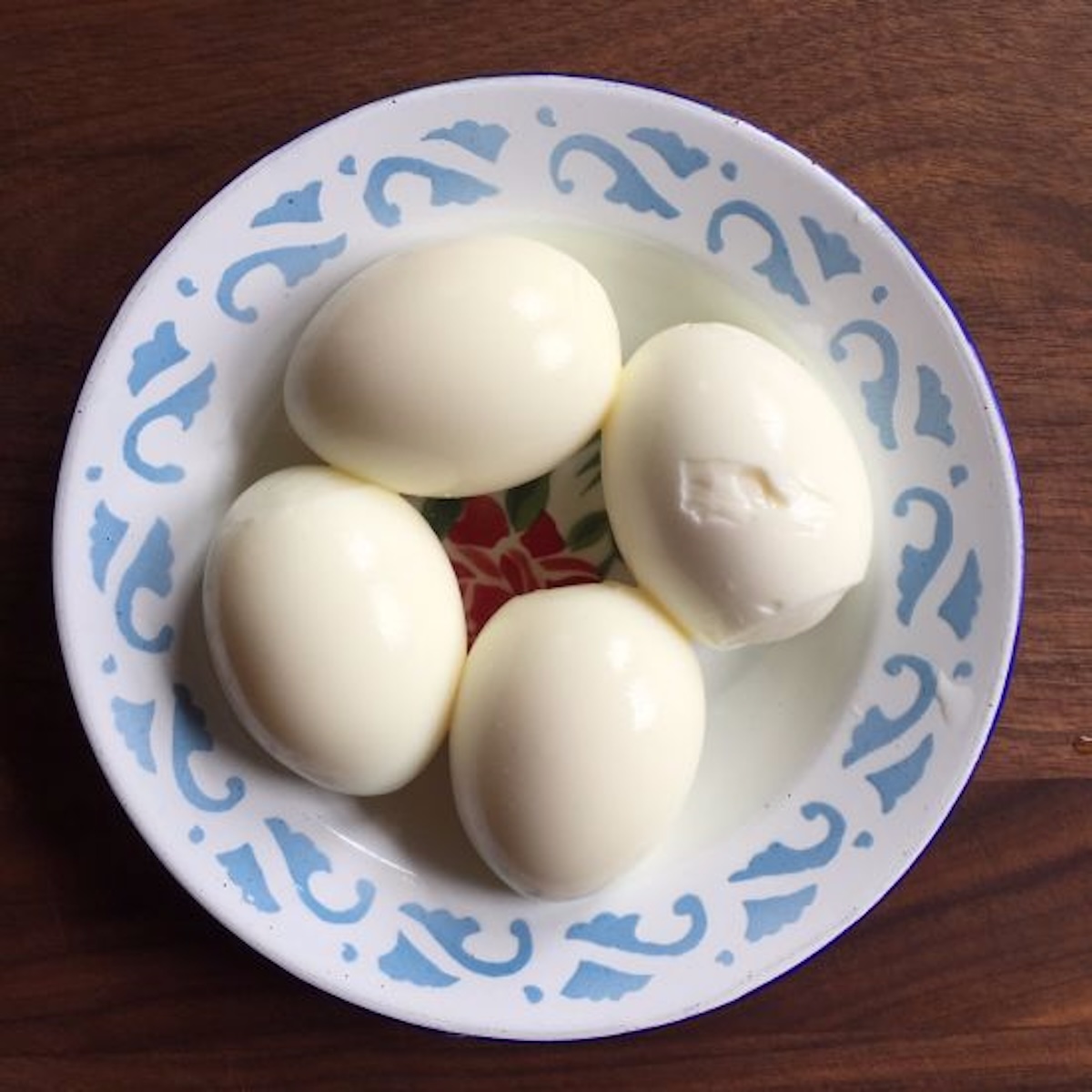
The complexity of boiling the perfect egg is probably why most recipes calling for a boiled egg simply says, "X number of hard-boiled eggs". To explain how to boil an egg can take substantial time and space on the page. Many recipe developers and writers - myself included - take the wimpy way out and simply write an ingredient line that says, "X number of hard-boiled egg(s)." Good luck to the cook!
Why steaming is great for perfect boiled eggs
Well, here's a solution to perfectly boiled eggs: STEAM heat. No matter how cooked you want your eggs, steaming them is the sure-fire way to ensure boiled egg perfection. I didn't believe it until I tracked down a mention of the method by Alton Brown long ago. It's easy and there are many advantages to steaming eggs over boiling them.
- Temperature and timing: Take the egg straight from the fridge, put it in to steam, and start your timer from there. You control consistent temperature that way. No more worrying about how long to let the egg sit at room temperature or how much water to get boiling.
- Doneness: Because you're starting with consistent egg and cooking temperatures, you can more easily achieve your target doneness. You know how long to steam the eggs to get the doneness you want. No more worrying about the grey ring around the yolk.
- Good looks: A steamed egg is consistently easy-to-peel. No more pock-marked egg white to spoil your deviled eggs. You don't have to wonder if the eggs are fresh or aged enough to boil and peel with ease.
- Yolk placement: It remains centered. There's no need to stir the egg around in the boiling pot of water to set the yolk in the center.
- Ice bath: A 15-minute ice bath stops the cooking process.
3 steps to perfect steamed eggs plus timing tips
(1) Ready your steaming equipment (choose 1):
- A roomy pot, add about 1 inch of water, then put a collapsible steamer basket like this one inside the pot. Cover and bring to a boil.
- A Chinese steamer pot with a metal steamer tray. Put 1 to 2 inches of water in the bottom, set the steamer tray on top, cover, and then bring the pot to a boil.
- Put 1 to 2 inches of water in a medium Dutch oven, set a steamer/steaming ring on the rim to ensure good steam action, then place a bamboo steamer on top of the ring. Cover and bring to a boil.
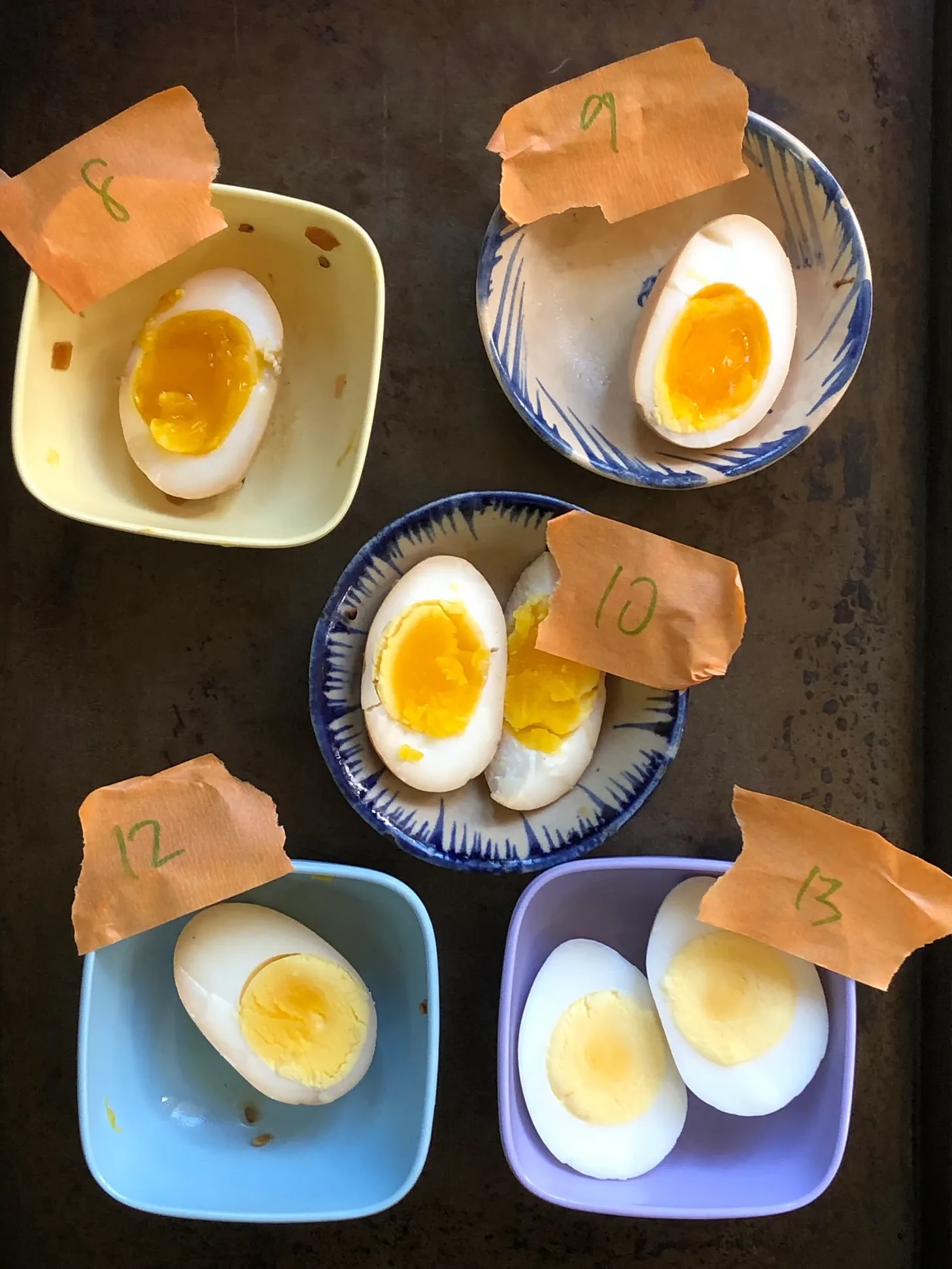
(2) Once the water vigorously bubbles, uncover, and add the eggs straight from the fridge. For large size chicken eggs, my steaming times are:
- 8 to 9 minutes for jammy to semi-jammy yolks
- 10 to 11 minutes for creamy to slightly creamy yolks
- 12 to 13 minutes for soft-firm to firm yolks
3) While the eggs steam, ready an ice bath. The size of the ice bath depends on how many eggs are being cooked. For instance, for 2 eggs, I use 5 ice cubes and a small bowl. Whatever you do, cool the cooked eggs in an ice bath for 15 minutes before peeling them.
Steamed and boiled eggs FAQ
Because like me, you may wonder:
- What kind of steamer to use? Select one that lets you maintain moderate level of steam heat for the cooking time for your eggs. A collapsible metal steamer insert set in a pot or deep skillet works great. My favorite insert stands taller than the rest for plenty of water in the pot. A metal Chinese steamer works well too. So does a pasta insert in a deep pot.
- What if you have medium, extra-large or jumbo eggs? I'd step down the timing for medium eggs by 1 minute, increase cooking time by 1 minute for extra-large egg, and increase steaming time by 1 ½ minutes for jumbo eggs.
- What if you steam for less than 8 minutes? The egg will have a much softer yolk and more tender white, like the one pictured below. For a soft boiled egg, steam for 3 to 4 minutes.
- Does the color of egg make a difference? Nope! Farmers have told me that. The best tasting eggs come from well tended chickens with happy, healthy lives. If you raise egg laying hens (or know someone who does), you know the difference.
What to make with steamed hard-boiled Eggs
Boiled eggs add extra protein, buttery yolk richness as well as a gentle springiness from the whites. The nutrition, flavor and textural bonuses of a perfect boiled egg can make a dish taste special or be the main feature.
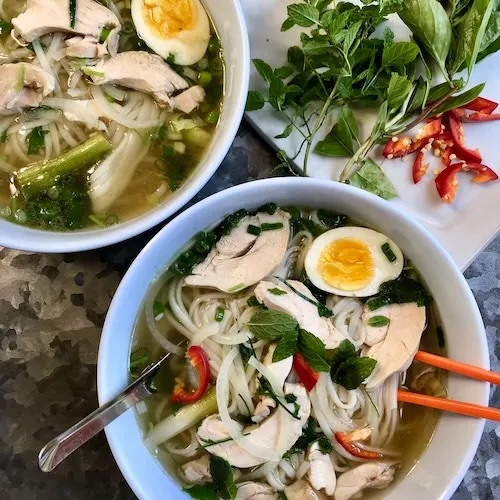
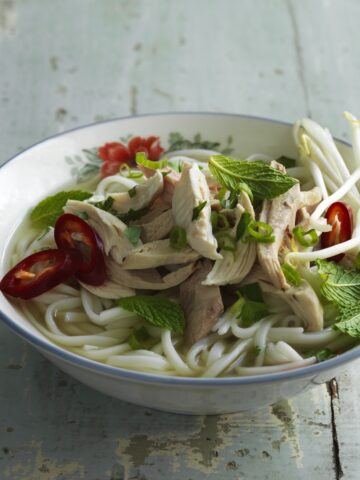
- To add extra protein or interesting texture and flavor to chicken pho, add half a boiled egg to each bowl as you're assembling them. Then just ladle in the boiling hot broth and the egg will warm up nicely. This works best with eggs that you've steamed for 10 to 13 minutes. Make chicken pho with my recipes for Instant Pot chicken pho recipe, old school chicken pho recipe, or fast chicken pho.
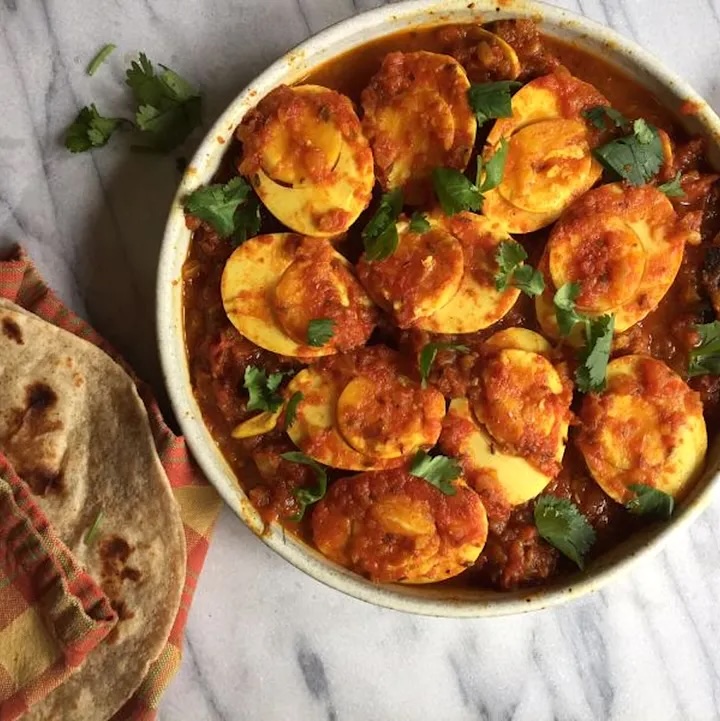
- How about steaming eggs for northern Indian egg curry (anda masala)? It makes a wonderful light meal with a salad and naan, chapati, or rice. Add a raita like this seared ginger raita to make the curry extra special. Get the Anda Masala recipe here.
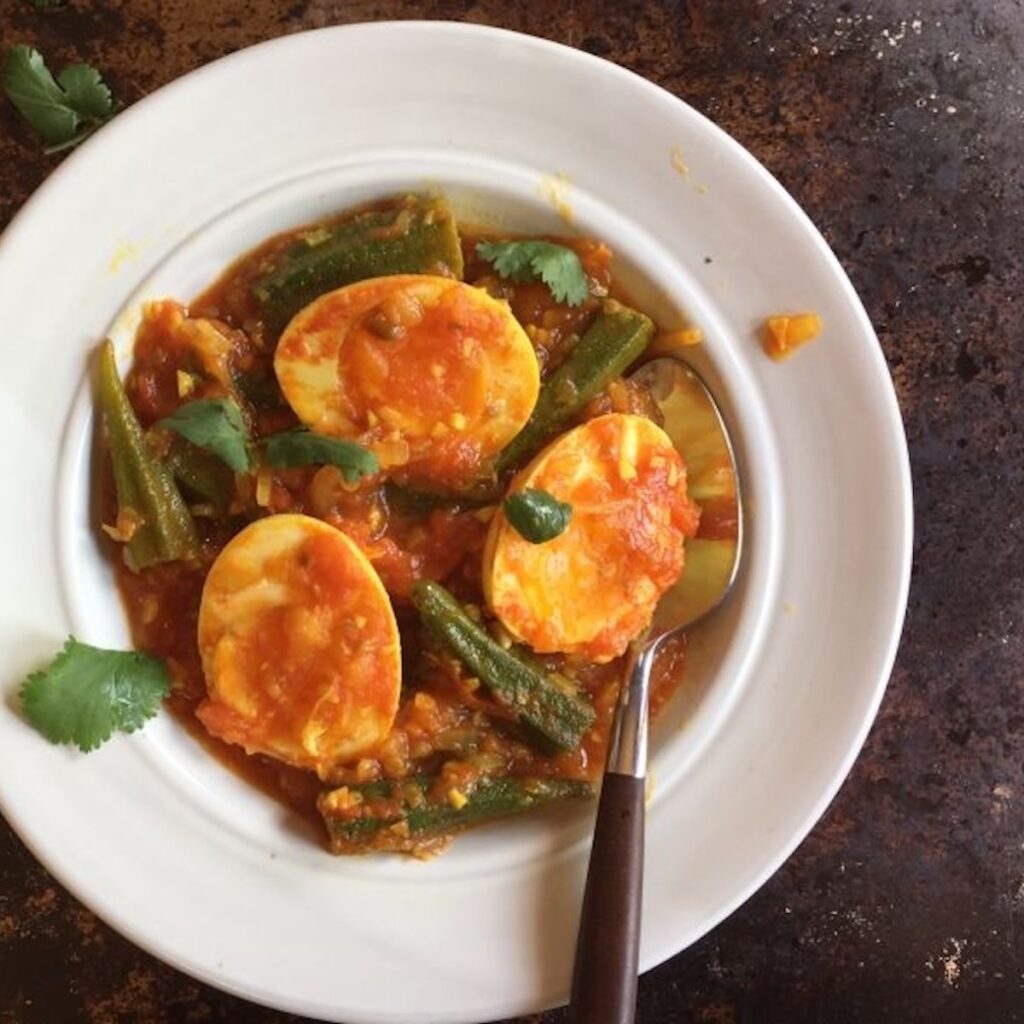
- Or venture east from India for a summery Burmese egg and okra curry. It has a nice lick of chile heat and the okra offers a wonderful color contrast. No worries about the slime factor in the okra. It melds into the curry to thicken the sauce, I venture. The recipe is easy and delicious.
- For side dish of Vietnamese cabbage and egg, steam the egg to your liking, then steam the cabbage, cut into 1-inch (2.5cm) wedges, until tender. Serve the cabbage hot, warm, or room temperature. Call it Bắp Cải Hấp ("bắp cải" means cabbage and "hấp" means to steam) instead of the conventional name, Bắp Cải Luộc ("luộc" means to steam). You don't need a formal recipe from me. You just got it!
Leave a Reply