












Beyond the foundational basics of buying a new stove -
burners, grates, ovens, and finish - there are add-ons to consider. I didn't
realize that buying up in the world of stoves would involve a complexity of bells and whistles. Doing their due diligence, appliance salespeople had to show off
all the extras. Some things -- like the duo or triple ring burners were cool. However, salespeople tended to be
sheepish when presenting these add-ons:
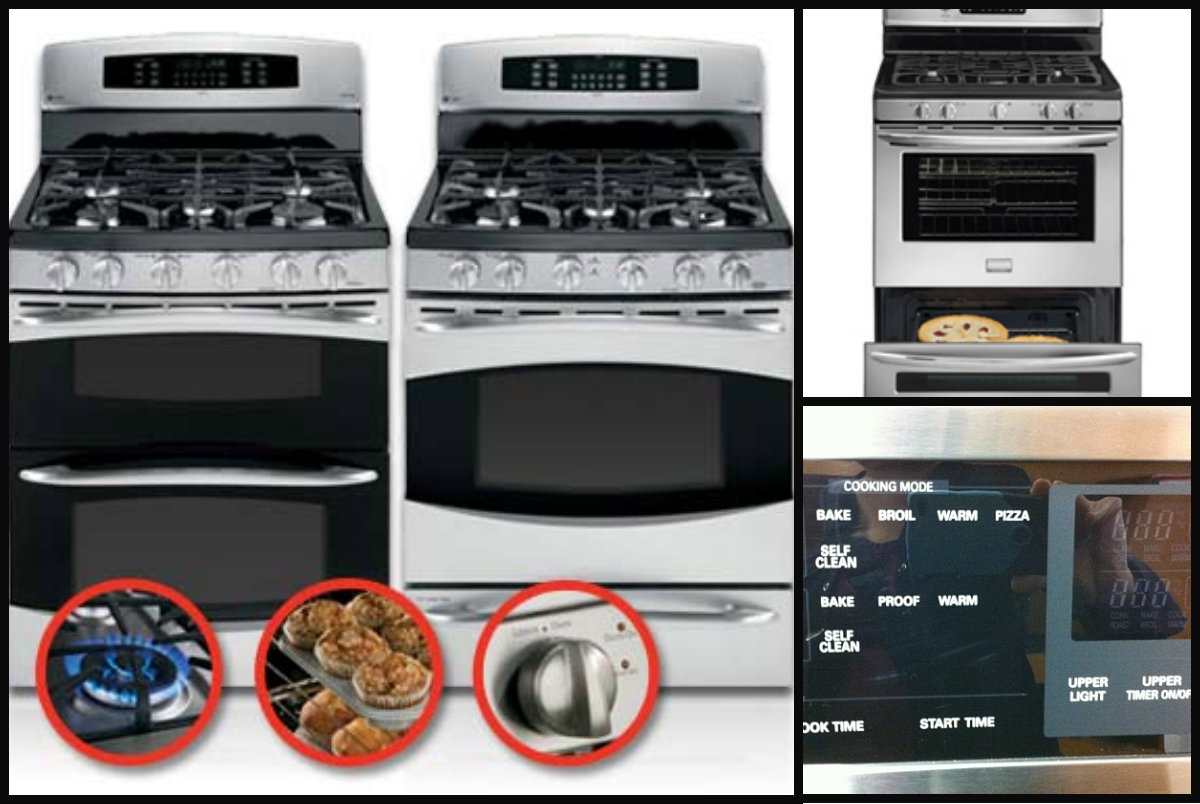
- Auto-adjust
convection ovens temps: Upscale models have convection oven control panels
that will automatically downscale the oven temp for you. How convenient. Cooks can't
do substitution math to lower the temp by 25 degrees for convection? How about
an auto Fahrenheit to Celsius conversion? That's the harder math! - Temperature
probes: Stick it in your roast to monitor cooking. It looked like something
that could malfunction. Why not use a $5 meat thermometer? - Storage/warming/baking
drawer: What used to be storage drawer for baking sheets and pans, etc., is
now pitched as a warming drawer. What happened to sticking your plates into a
warm oven to warm them? On one GE profile model (priced at $2399), a wimpy electric
heating element sits underneath the storage drawer so that it may function as
an oven for casseroles and pies, in case you're using the main oven for
something else. I got down on my hands and knees to check out the 'baking
drawer.' Imagine me holding a hot pan of potatoes au gratin and trying to get
up from the floor with it. - Chicken
nugget and pizza buttons: My favorites. Just like a microwave oven, there
are now stoves that will help you with the most common items that cooks make.
Frigidaire describes the chicken nuggets button as: "Easily bake perfect chicken nuggets with the touch of a button."
If your food life is about baking (likely frozen) chicken nuggets and pizza, a
pricey stove is not what you need. Shouldn't
the package instructions suffice?
After I stopped laughing at these functions on the stoves
that I looked at, I began resenting manufacturers for pumping prices for things
that I didn't really need. Every cook should do some stove soul searching when
looking at buying a new one. What will help you to continue cooking well or cook
better?
For me, many of the modern convenience functions didn't appeal. Plus they could break down. (Years ago, the digital control panel died and the cost of replacing it was $350. I instead bought a new stove for $650.) I've cooked on single
electric burners, 24-inch studio stoves and entry-level electric and gas
ranges. I just wanted efficient heat. Reliability was the next issue to deal with.
Consumer Reviews vs.
Consumer Reports
After a day or so of looking, stoves began looking the same. Like Yelp, consumer reviews could be painfully negative ("Never buy this brand") or Pollyanna
positive ("I love the way the stove looks and haven't tried it out fully yet"). I was relieved to find balanced, thoughtful reviews. Major chain stores carried reputable brands and models because they didn't want
disgruntled customer.
To weed through stove reviews and figure out what was the best for my situation, I
got a $6 monthly subscription to ConsumerReports.org; make a note to cancel in
30 days or they'll auto renew you forever. Consumer Reports has the most
consistent and professional product reviews. Their reliability/repair ratings
are super helpful. Smartie salespeople often parrot back what CR says.
After I found the stove I wanted with few bells and whistles
and a decent amount of power, I hunted down the best price.
Hidden Costs and
Bountiful Deals
You can always find an appliance sale somewhere, sometime. Coincidentally,
right before Thanksgiving people tend to buy stoves, one salesman told me. I
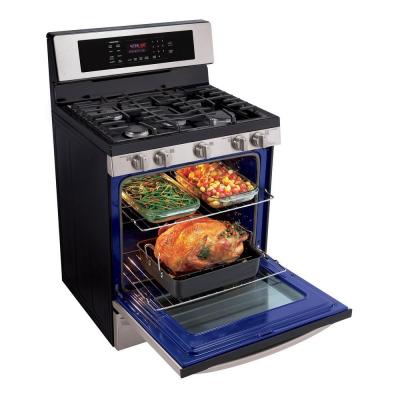
suddenly noticed that stove beauty shots sometimes featured a turkey and
fixings.
But wait, post-Thanksgiving Black Friday sales include
plenty of appliances too. Again, appliance sales are plentiful so don't despair
if a salesperson tell you this is your only chance for a great deal. There will
be others.
Compare prices between major chains, local stores, and
internet retailers. A stove is a big ticket item so you want to make sure you
get a good deal. Prices are usually very competitive, but one salesman said
that stores typically shift costs around to give the illusion that you're
getting a better deal. Extra costs on delivery, disposal of the old stove,
hook-up, and extended service warranties can add up and equalize the price
between retailers, he said. I looked at the fine print and did a little math to add up all the costs.
If you're a bit of a risk taker, check SearsOutlet.com for steep reductions on
not just stoves but all kinds of home appliances, from affordable cheapies to
high-end models. Cook's Illustrated
editor Andrew Janjigian shared that he bought a Five Star, 36" wide stove for a
sweet price on Craigslist; it took 3 days of cleaning but his race car stove was worth it. The
ultimate deal is what my parents found: a free GE profile stovetop that their
neighbor was giving away due to a remodel.
Keep your eyes open.
Extended Service
Warranties
I didn't buy extended service warranties on my cheapie
stoves because it wasn't worth the money vis
a vis buying a new stove. However, a mid-range or higher priced stove
merits a service warranty, which gives added protection beyond the typical 1
year deal from the manufacturer. I went for it.
What did I buy? An
LG gas range with convection that Consumer Reports rated in their top three
picks. I was set to buy a GE Profile 980 but the LG 3095 was currently
on sale (about 25% off) at an incredible price during Home Depot's Black Friday
sale which goes for most of November this year.
The stainless steel model was less expensive than its Darth
Vader all black cousin. For some reason, Home Depot is pushing that model right
now. It's just the sale, I was told. Whatever. I lucked in on the deal. On top
of the price, delivery was free, hook up was nominal, and a 5-year labor and
parts service warrantee was cheap. I whipped out my credit card and said, "Charge!"
I spent about $1350, a lot less than my original budget. There
will be other stoves in my future. At the moment, that was the best choice and the
best deal.
How did you narrow down which stove to buy?
Related post: Stove Buying Tips: Revelations from Food Professionals & Salespeople




Maggie says
I agree, Andrea, that most add-ons are a gimmicky waste of money. Reliability is all important. Then you need to get to know your oven by using it! I don't pay much attention to temperatures in recipes as all ovens vary - I prefer to think in terms of a cool, medium, hot or very hot oven, and I use my (mechanical) timer to remind me to keep an eye on what's cooking. Enjoy your new purchase!
Suzette says
I know it's superficial, but I love the blue oven! 🙂 Congratulations and keep us updated on its performance!
Andrea Nguyen says
Maggie, it's very old fashioned to cook with a slow, moderate, and fast oven. I love it and fantasize about writing recipes that way! Modern ovens nowadays have pretty good temperature gauges, though keeping one in there never hurts! Thanks for the good wishes.
Andrea Nguyen says
Suzette, not superficial at all. I dig the blue oven interior too! The LG chimes instead of beeps. Will do on the new stove update.
Maggie says
I guess I am quite old fashioned when it comes to cooking, I'm not great with gadgets. I'm also a bit lazy, which is why I use my oven a lot. 'Passive' cooking is my preferred method, and the timer is my best friend - to remind me to get back into the kitchen so the food doesn't burn!
Mattheworbit says
Thank you for the tips and the info - I am very grateful that we don't need to buy a stove right now!!
dmreed says
did you also look at stovetops with a "wok burner"...if so, how many BTUs did such burners provide?