







There was a time when fish sauce (nước mắm in Vietnamese, nam pla in Thai, patis in Tagalog) was shunned by many who were unfamiliar with the briny, stealthy source of umami brilliance in many Asian dishes. Thankfully, nowadays more people are curious about fish sauce and keep it in their pantry. But, there's still confusion about what it is and how to buy it.
For my newsletter, Pass the Fish Sauce, I recently did a livestream to provide a "Fish Sauce 101" to curious cooks, eaters, and readers. As a follow-up, I'm sharing the video plus detailed information so you can understand what fish sauce is and how to make the best choices for your cooking.
Watch my Fish Sauce 101
We covered a lot of fish sauce territory in the 30-minute video, including the basics about what fish sauce is and where it comes from. When watching the video, look for content to cover these topics:
- Fish sauce ingredients
- How to choose fish sauce for your cooking needs
- Difference in major kinds of fish sauce
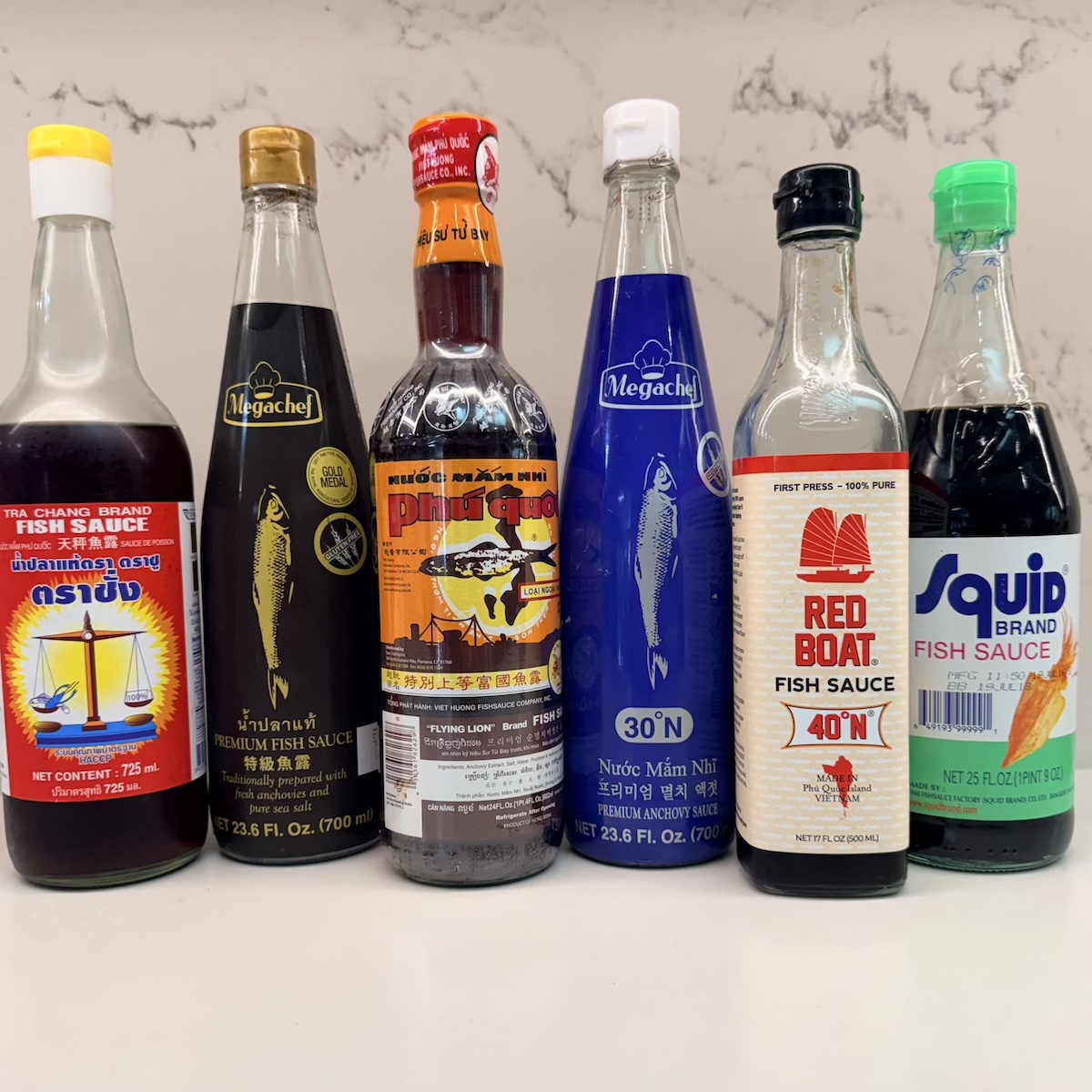
- Differences in major brands of fish sauce (3 Crabs vs. Red Boat vs. Megachef, for instance)
- How to decode the "N" on fish sauce labels
- Uncommon fish sauce (it's made in many places!)
What is fish sauce?
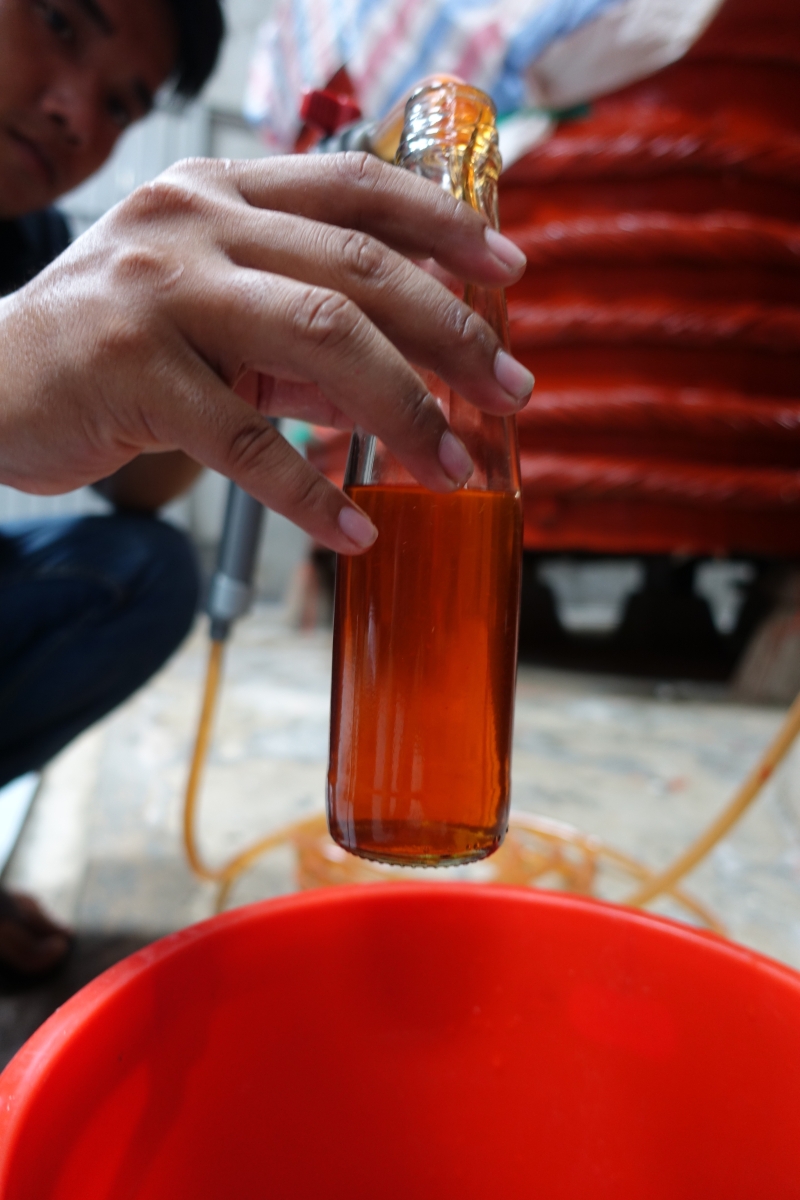
To recap, fish sauce is the liquid result of salting and fermenting fish - an ancient and practical way of preserving seasonally abundant supplies of protein. Fresh seafood is packed in layers of salt in large earthenware jugs, wood casks, or concrete vats. To keep the fish from floating up as their juices are drawn out during the fermentation process, bamboo racks and rocks are used to weigh the fish down.
Left in a hot, sunny place for months or even more than a year, the fish breaks down and turns into liquid. High in B vitamins, amino acids and protein, the fluid is removed via a spigot at the bottom of the salting container, or by siphoning. In Vietnamese, this first extraction is called nước mắm cốt (or nước mắm nhĩ) and is the most prized. Slightly oily, richly flavored, and deeply hued, it was traditionally reserved for dipping sauces and special occasions. To get more use from the same fish, salted water may be added, and after a shorter fermentation period, a lesser-quality condiment is rendered for everyday eating and cooking.
Is fish sauce actually made out of fish?
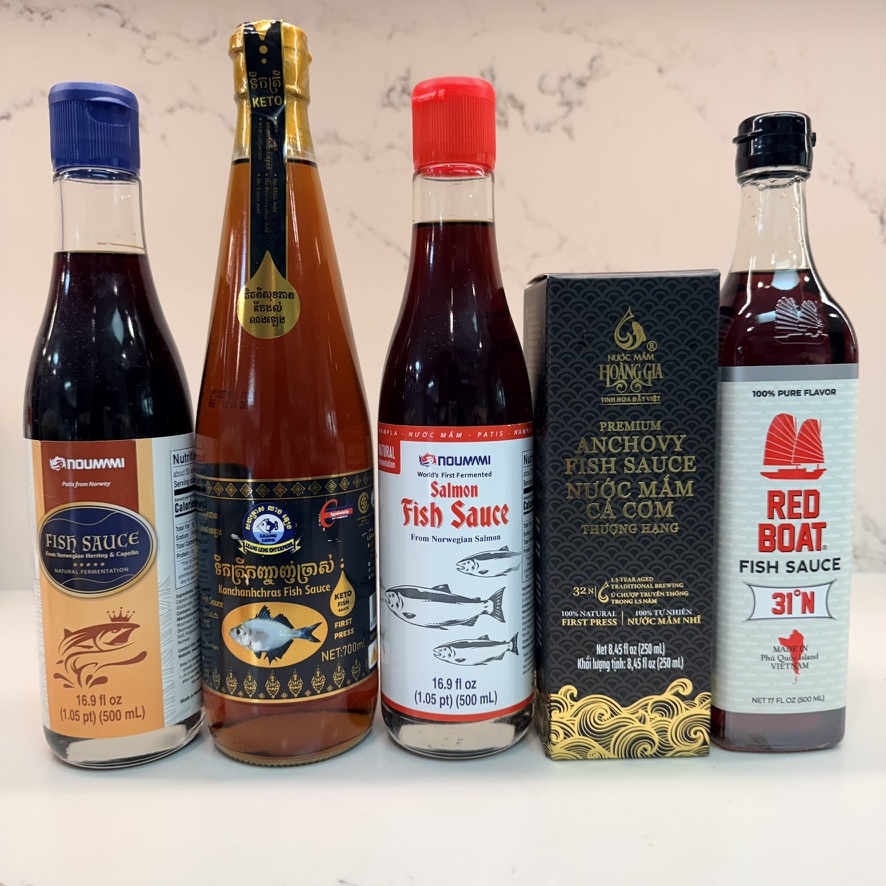
Yes and no. Fish -- anchovies, in particular, are usually employed. But as you see in the video and in the photo below, fish sauce can be made of different kinds of seafood. I would have never thought of salmon, herring, fresh water or even eel could be used for fish sauce but they can.
Through the autolytic and aging process, fish sauce develops a deep umami from a healthy amount of glutamates. That's why it tastes so good!
The fish sauces I tasted in the video included ones by Noumami (Norwegian), Hoang Gia and Red Boat (Vietnam), and Leang Leng (Cambodia). Look for them online and at Vietnamese and Cambodian markets.
You may more questions so keep scrolling. I may answer them below!
What is fish sauce made of?
At its most basic, fish sauce is made from seafood and salt plus time for the autolytic process to happen. It sounds gross but the fish digests itself to turn into an amino acid-rich liquid that tastes divine. Fish sauce producers blend fish sauce like wine. Sugar, water, and flavor enhancers like MSG and hydrolyzed wheat extract may be added to finesse the flavor. A preservative may be listed to keep the condiment stable at room temperature.
Can you make fish sauce from scratch?
Old school cooks like my grandmother made fish sauce on an annual basis. Some people do in Vietnam but in the main, people buy it. It requires time, good seafood, and the right climate. My friends on Phu Quoc and Son islands say that their locations in the Gulf of Thailand provides them good access to excellent anchovies and sea salt. Moreover, the sea breezes impact the fish sauce too. They use barrels made of local wood to prepare artisanal high quality fish sauce. At the price of less than $10 USD, that's quite a bargain!
Is fish sauce a Vietnamese thing?
The amber condiment is the most important condiment used in the Vietnamese kitchen for savory foods. Fish sauce is to Vietnamese people like soy sauce is to Chinese people. It's part of our cuisine and culture. There's even a fish sauce museum in Phan Thiet, Vietnam.
Fish sauce contains a lot of protein and has been known to be a good energy booster too. For instance, deep sea divers who go underwater without oxygen tanks are known to take a swig of fish sauce before they dive in. One fish sauce maker told me that her grandpa kept aged fish sauce to offer as a remedy for certain illnesses. And, excellent fish sauce makes a good gift, as well.
Which brand of fish sauce is best?
Choosing fish sauce really depends on how and what you like to cook. In general, I avoid fish sauce sold in plastic bottles because they tend to not be of good quality. I recipe develop with four brands.
- Three Crabs and Megachef (blue label is Viet-style and brown label is Thai-style) are terrific for everyday cooking and dipping sauces. They have sugar and other ingredients aside from fish and salt so they tend to be friendlier and easier to use.
- Son fish sauce or Red Boat fish sauce; they only contain fish and salt. Red Boat has a more neutral flavor than other brands so it is good for cooks who like to use fish sauce in lots of western dishes as well as Asian dishes.
- If you not shop at Asian markets, look in the Asian aisle of your supermarket. Use my guide to supermarket fish sauces as your shopping buddy.
Where should I buy fish sauce?
I typically shop at Asian markets. The best selection is at Southeast Asian markets. That said, Son is carried at 99 Ranch but not always at Viet markets. Red Boat is widely distributed, but Megachef and Three Crabs are Asian market finds. Order online and you will pay more but that's the price of convenience. I have ordered a hard-to-find 5-liter jug of Son from Amazon and it arrived safely, without a leak.
Is fish sauce bad for diabetics?
If you are diabetic, choose fish sauce with no sugar on the label. Aside from sugar, there may be fructose listed too. Read carefully before purchasing. Thai fish sauces tend to have sugar whereas there are more sugar-free fish sauces made in Vietnamese.
Can people on low-sodium diets eat fish sauce?
Fish sauce contains a lot of sodium but you can always use less and sprinkle in some salt to back into a flavor that's to your liking. Or, use MSG or Asian mushroom seasoning granules in combination with fish sauce to achieve the savory umami hit that you want but with less sodium.
Will fish sauce go bad?
Not if it is left at a cool room temperature in a dark spot. Fish sauce can age well if it is premium fish sauce. If your fish sauce does not have preservatives, then keep it refrigerated. If crystals form, that's just salt and is not a sign of spoilage. There's a lot of salt in fish sauce to keep it good for a long time. Always close the lid well to prevent it from dehydrating. Check here for my fish sauce storage tips.
How to use fish sauce well
Many recipes call for using a lot of fish sauce but that lead to too fish sauce-y of a flavor in food.
- Phase in fish sauce. Fish sauce (nuoc mam in Vietnamese, nam pla in Thai, patis in Tagalog) varies in flavor. Some are salty while others are sweet. Some are bold and others are light. Use a little at a time when starting out with a brand you're unfamiliar with. You'll then know how the fish sauce impacts your food.
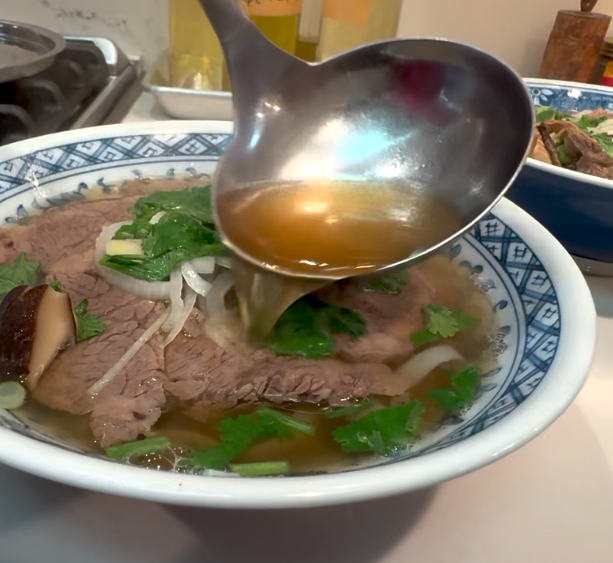
- Use fish sauce with salt. Hedge the power of fish sauce by combining it with salt. I do that in noodle soups like chicken pho and beef pho.
- When adding fish sauce to broth, set aside some to add at the end of cooking to finesse flavor and allow the umami in fish sauce to express itself well.
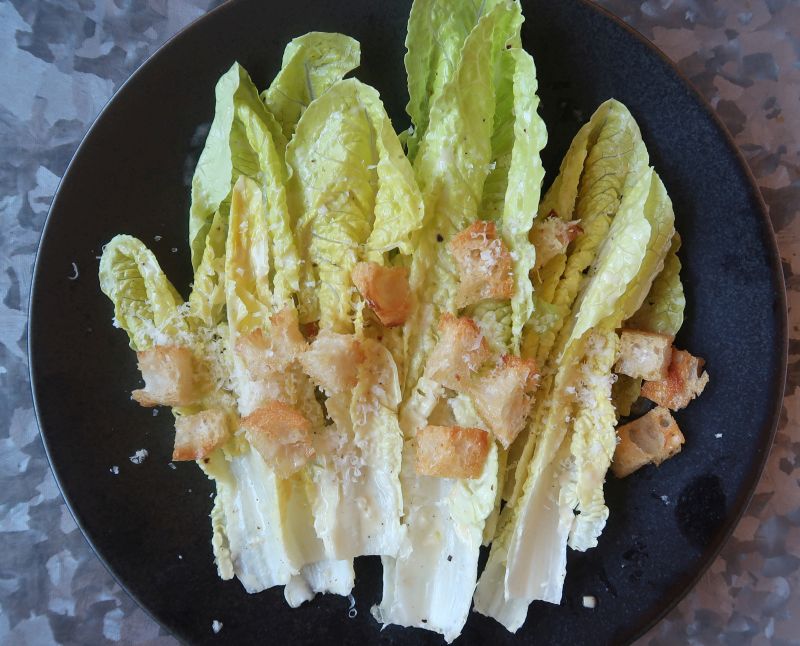
- Tinker with fish sauce. First start by making nuoc cham, Vietnam's go-to dipping sauce. My nuoc cham recipe is built for experimentation and for you to master the sauce. Then play with it. For instance, substitute fish sauce instead of anchovies in Mediterranean recipes. Start with my lazy day Caesar salad recipe. Sprinkle a few drops on sliced tomatoes that taste a bit meh. Add a bit to guacamole or salsa.
Can I skip fish sauce in recipes?
Absolutely no. When fish sauce is in a recipe, it serves a key purpose. It plays a pivotal role in the flavor and outcome of the dish because it's the source of umami and salinity. Use one of my substitutions below. If you skip fish sauce, your dish will not turn out well.
Fish sauce substitutes
Everyone needs substitutes so here are mine for your considerations:
- You cannot eat seafood or are vegetarian or vegan? Buy a vegetarian fish sauce or make one. Here's my buying guide for vegetarian fish sauce plus a basic recipe. I have an excellent vegetarian/vegan fish sauce recipe in Ever-Green Vietnamese.
- Can soy sauce be used instead of fish sauce in recipes? Be careful. Don't use a 1:1 swap of because your food may taste to soy sauce-y, be too dark in color, or not be as salty.
Emergency fast 'faux' fish sauce recipe
Use this only when you have bare bones ingredients and are in a major pinch. Combine 1 teaspoon fine sea salt, ½ teaspoon agave syrup, 1 teaspoon light soy sauce and ¼ cup water. Stir to dissolve the salt. You'll have a good ¼ cup.
If you have other fish sauce questions, ask away and I hopefully will be able to respond!


Leave a Reply